Menu
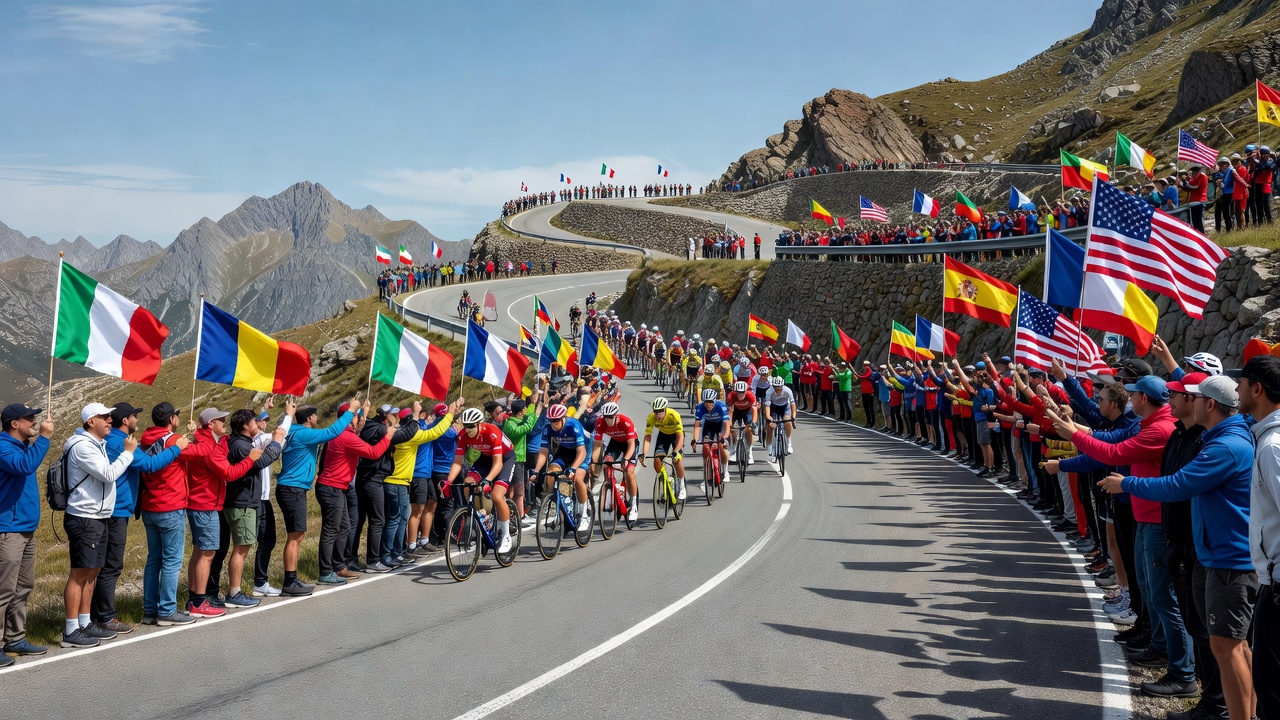
Spectators waving flags along a winding mountain cycling road during a professional race
Race Heritage & Amateur Riding

European Cycling Races & Classics

Professional cycling in Europe is more than a sport; it is an open-air cultural institution. Here is an explainer of the Grand Tours, the Five Monuments, and how you can ride the exact same tarmac.

Grand Tours Explained

The Three-Week Epics: Grand Tours

The cycling season is anchored by three three-week stage races known as Grand Tours. Each race features 21 stages covering flat sprint finishes, individual time trials, and grueling mountain stages.

Tour de France (La Grande Boucle)

What Type of Race: The premier event in world cycling, established in 1903. Held annually every July across France and bordering nations.

Terrain & Signature Climbs: The race visits the high Pyrenees (Tourmalet, Aubisque) and the Alps (Alpe d'Huez, Galibier) before the ceremonial final sprint along the Champs-Élysées in Paris.

Amateur Experience (L'Étape du Tour): Each July, around 16,000 amateur cyclists ride one full official mountain stage on closed roads just days before the professional peloton.

Giro d'Italia (The Corsa Rosa)

What Type of Race: The first Grand Tour of the calendar, held annually in May. Revered for unpredictable weather and brutal mountain stages in the Dolomites and Alps.

Historical Character: The race leader wears the famous pink jersey (maglia rosa). Signature passes include the Passo dello Stelvio, Passo Gavia, and the steep concrete ramps of Monte Zoncolan.

Spectator Atmosphere: Renowned for warm Italian hospitality, village food festivals, and pink-decorated towns along the route.

Vuelta a España (The Tour of Spain)

What Type of Race: Held in late August and September across Spain. Known for modern, punchy summit finishes with ramps frequently exceeding 20% gradient.

Famous Sections: The Alto de l'Angliru in Asturias is widely regarded as one of the hardest paved climbs in competitive cycling, featuring maximum gradients of up to 23.5% at the Cueña les Cabres bend.

One-Day Monuments

The Five Monuments of Cycling

In cycling, a "Monument" refers to one of the five oldest, longest, and most prestigious single-day classic races in Europe. All five trace their roots back to the late 19th or early 20th century.

Monument 1 (March)

Milan–San Remo (La Primavera)

Terrain & Distance: The longest professional one-day race, spanning nearly 300 km from the plains of Lombardy to the Ligurian coast.

Decisive Sector: The short climb of the Poggio di Sanremo in the final 10 kilometers, followed by a daredevil descent into San Remo.

Monument 2 (April)

Tour of Flanders (Ronde van Vlaanderen)

Terrain: 250+ km over the narrow, cobbled hills of East Flanders. Cobbles here are steep and slick.

Spectator Culture: Hundreds of thousands of fans line the Oude Kwaremont and Paterberg, creating a stadium-like atmosphere fueled by Belgian fries and local ales.

Monument 3 (April)

Paris–Roubaix (The Hell of the North)

Terrain: Over 50 km of flat, rough cobblestones across mining roads in northern France, finishing inside the historic open-air Roubaix Velodrome.

Key Sector: The Trouée d'Arenberg (Arenberg Forest trench), a 2.3 km straight cobbled road with dislodged paving stones and deep ruts.

Monument 4 (Late April)

Liège–Bastogne–Liège (La Doyenne)

Terrain: The oldest monument (first run in 1892), winding through the forested Ardennes hills. Features continuous punchy climbs like the Côte de La Redoute and Côte de la Roche-aux-Faucons.

How Amateur Cyclists Can Experience These Routes

One of cycling’s unique joys is that the roads used in these legendary races remain public highways throughout the year.

1. Official Cyclosportives / Gran Fondos: Most major races offer an organized amateur event on the exact course (such as the Paris–Roubaix Challenge or We Ride Flanders) the day before the pros compete.

2. Independent Route Touring: You can download GPS tracks of famous race stages and ride them self-supported at your own pace during the summer season.

3. Official Sources: For current event schedules and road closure information, always check official organizer websites like A.S.O. (Tour de France/Roubaix), RCS Sport (Giro/Milan-San Remo), or Flanders Classics.