Cycling Equipment for European Roads
European cycling presents rapid changes in altitude, variable tarmac, and sudden weather shifts. Here is our plain-language guide to selecting the right bike, packing proper layers, and carrying essential roadside spares.
Road vs. Gravel vs. Touring Bikes
Choosing the correct bicycle geometry and tire clearance depends on your primary terrain, luggage requirements, and riding speed.
| Category | Riding Surface | Tire Width | Luggage Capacity | Speed & Weight | Typical European Use |
|---|---|---|---|---|---|
| Road Endurance Bike | Paved tarmac & smooth asphalt | 28 mm – 32 mm | Light (saddlebag, handlebar bag) | Fastest, 7.5 – 9.0 kg | Alpine passes, Mallorca training, group sportives. |
| Gravel Bike | Tarmac, unpaved gravel, forest tracks | 38 mm – 45 mm | Medium (bikepacking frame bags) | Moderate, 8.5 – 10.5 kg | Strade Bianche in Tuscany, Nordic dirt roads. |
| Touring Bike | Paved bike paths, mixed trails | 35 mm – 47 mm | High (front & rear pannier racks) | Sturdy, 12 – 16 kg | EuroVelo long-distance routes, camping trips. |
Dressing for High Altitude & Unpredictable Passes
When climbing a 15-kilometer mountain pass in July, you will be sweating in 25°C heat. At the summit and during the 40-minute descent at 60 km/h, windchill can drop felt temperatures to near freezing.
Key Layering Items
Packable Wind Gilet (Vest): A lightweight sleeveless vest that protects your chest against wind on descents while rolling up small enough to fit into a jersey pocket.
Arm and Leg Warmers: Lycra sleeves that transform a short-sleeve jersey and bib shorts into full thermal coverage without having to change clothes.
Waterproof Shell Jacket: Look for taped seams and breathable membranes (such as Gore-Tex or eVent) with a dropped tail to prevent road spray.
Full-Finger Lightweight Gloves: Cold fingers on a high alpine descent can make squeezing brake levers difficult and dangerous.
Shoes, Helmets & Eyewear
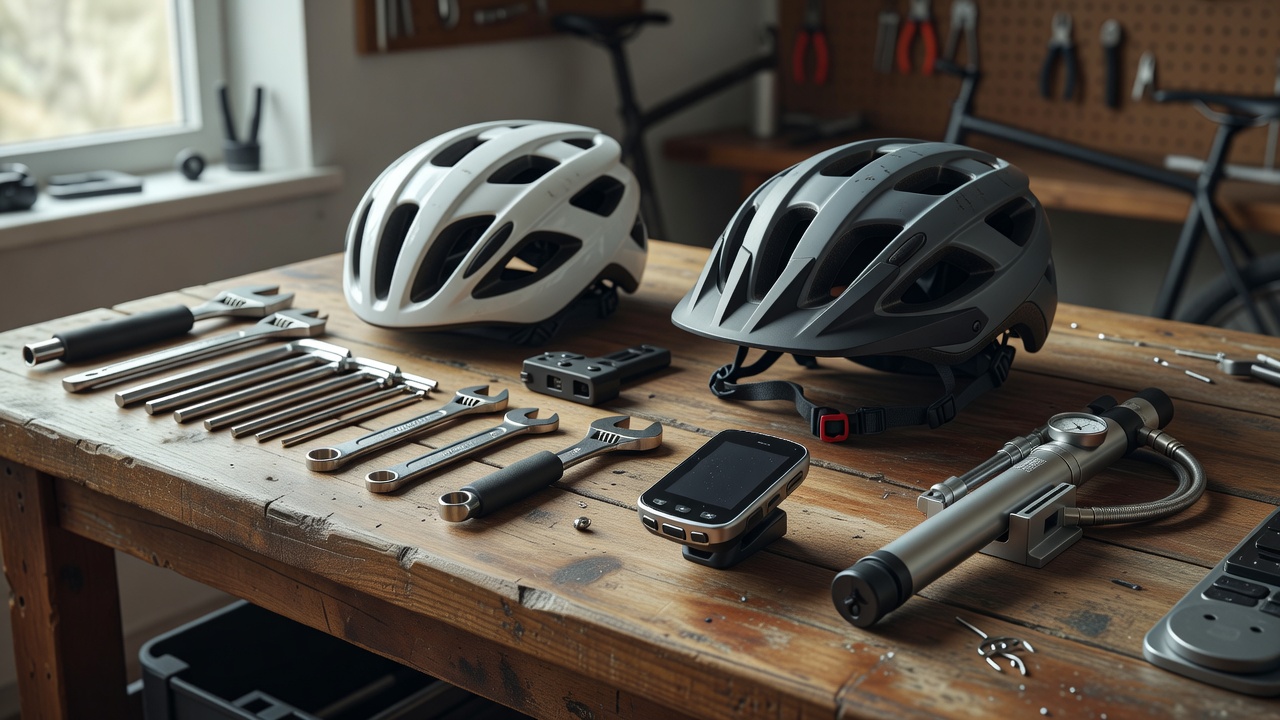
Helmets: Must comply with European CE EN 1078 safety standards. Modern helmets featuring rotational impact liners (such as MIPS) provide added protection on fast descents.
Cycling Shoes & Cleats: Road pedals (SPD-SL, Look) provide a stiff pedaling platform for all-day efficiency. If you plan to walk through historic cobblestone towns, two-bolt recessed shoes (SPD) are much easier to walk in.
Photochromic Sunglasses: Lenses that automatically adjust from clear to dark tint are invaluable when entering dark alpine road tunnels on bright sunny days.
Essential Spares, GPS, and Repair Kits
Cell phone coverage can be intermittent in remote mountain gorges. Carrying a self-sufficient toolkit guarantees you won't be stranded.
Puncture Repair Kit
Carry two spare inner tubes (with long valve stems for deep rims), self-adhesive patches, tire levers, and tubeless repair plugs (bacon strips) if running tubeless tires.
Mini Pump & CO2
A reliable hand pump with a flexible hose prevents valve snapping. Carry two 16g or 25g CO2 cartridges for fast inflation on cold passes.
Multi-Tool with Chain Breaker
A compact folding tool with 2.5mm to 8mm hex keys, a T25 Torx bit, a flathead screwdriver, and a built-in chain breaker plus quick-link spare.
Dedicated GPS Cycling Computer
Devices from Garmin, Wahoo, or Hammerhead provide turn-by-turn navigation, climb gradient profiles (ClimbPro), and 12+ hour battery life without draining your phone.
Daytime Running Lights
A flashing front and rear LED light is legally required in several European countries (such as France and Germany) when riding through mountain tunnels or in low light.
Hydration & Storage
Two 750ml water bottles and a compact saddlebag (0.5L – 1.2L) keep the bike balanced without putting unnecessary weight on your shoulders.